
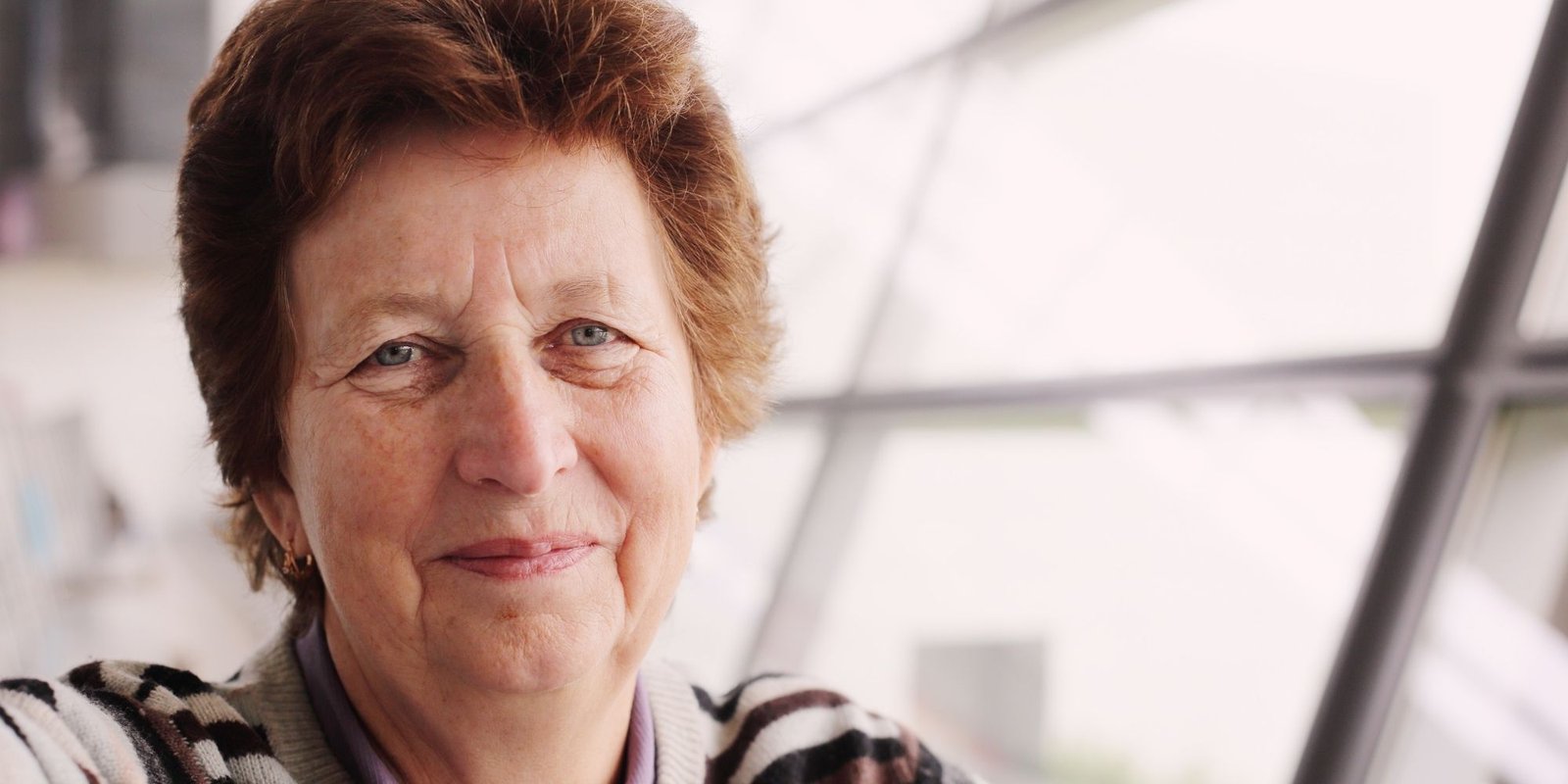
Purpose after 70 is not about starting over. It’s about refining what matters now. Retirement can stir up identity shifts, restlessness, and a “something more” feeling. Hypnosis can help quiet the overthinking mind, reconnect you to intuition/Higher Self, and reveal lifelong patterns and gifts. Meaning can come through community, creativity, mentoring, spiritual growth, and service.
Turning 70 doesn’t mean you’re done growing or searching for meaning. Actually, a lot of folks hit this age and start feeling a tug toward something new, even if they’re not sure what to call it. Finding purpose in life after 70 is really about noticing how your sense of what matters shifts as you move through different chapters. This stage gives you a chance to line up your daily life with what feels important to you now.
As a certified hypnotist who focuses on spiritual growth and clarity, I get to work with people who are curious about what’s next. Maybe you’re questioning old routines or feeling a nudge to contribute in new ways. That’s not confusion. It’s your intuition inviting you to fine-tune your path.
Hypnosis is a pretty direct route to your deeper knowing. It helps you get past surface worries and connect with the part of you that just gets what brings real fulfillment. Whether you want to volunteer, create, teach, or just live more intentionally, spiritual hypnosis for finding your soul purpose can help you get clear. Turns out, older adults with stronger purpose tend to have lower mortality risk and better health, so this isn’t just “nice to have”—it’s practical, too.
Finding Purpose in Life After 70: Why It’s Never Too Late
Life after 70 cracks open a whole new chapter. You’ve got decades of wisdom, experience, and perspective that younger folks are still working on. This isn’t about slowing down—it’s about channeling your energy toward what truly matters to you now.
It’s easy to worry that your most meaningful years are behind you. That’s just not true. Research shows that a strong sense of purpose links to lower mortality risk in adults over 50. Life can be just as rich and fulfilling now as it ever was.
If you feel unsure about what comes after retirement, you’re not alone. That’s a normal part of the transition. The routines that used to give your days structure might have changed, but that leaves room to explore new interests and connections.
Ways to embrace this phase:
- Volunteer in your community and share your skills
- Pick up something you’ve always been curious about
- Reconnect with old friends or meet new people
- Try creative activities like painting or writing
- Spend time in nature or check out new places
Staying connected with others is still vital for your happiness and wellbeing. Family, friends, community groups—these relationships help you feel valued and engaged.
You don’t have to make huge changes. Small daily actions add up to meaning. The trick is staying open to growth and letting yourself explore what brings you joy now.
Can You Really Find Purpose After 70?
Absolutely, you can find purpose after 70. It’s about letting go of old ideas about aging and figuring out what meaning looks like beyond career and productivity. Purpose naturally evolves with each stage of life, and recognizing that makes room for new kinds of fulfillment.
Address Limiting Beliefs About Aging
Society likes to say life after 70 is about slowing down and stepping back. That can make you feel like your best years are over.
The truth? Research actually shows a strong sense of purpose lowers mortality risk in adults over 50. Your age brings wisdom and freedom that younger people just don’t have yet.
Most limiting beliefs come from cultural messages about productivity and worth. Maybe you think you need a job to matter, or that learning new things is too hard now.
But those are just beliefs, not facts. You can challenge them by asking what you really want to create in this phase. Your value isn’t tied to your work status or physical abilities.
Retirement Identity Shift
Retirement can flip your sense of self upside down. For years, your job title shaped your identity. When that’s gone, it’s easy to feel a bit lost.
Some people feel relieved to leave demanding jobs. Others miss the recognition and daily sense of purpose.
Now’s your chance to build a new identity around your values and interests, not your job title. Maybe you become a mentor, an artist, a volunteer, or a lifelong learner.
This takes time. Let yourself try different things without stressing about finding the perfect answer right away. Your new sense of self will show up as you experiment and notice what actually feels good.
Emotional Transition After Long Careers
Leaving a long career stirs up a lot of emotions. You might feel proud of what you accomplished and also grieve the loss of routines and relationships from work.
Some days, the freedom feels amazing. On others, you might miss the structure and sense of contribution you had. Both are totally normal.
You might start wondering if you still matter without your professional role, or feel invisible where you once had authority.
Working through these emotions is part of finding new purpose. Talk with friends who get it. Join groups where you can share honestly. Give yourself space to feel sad about what’s ending, but stay open to what could begin.
Purpose vs. Productivity
Purpose isn’t the same as productivity. You probably spent decades measuring your worth by what you accomplished. But purpose goes deeper.
It’s about meaning and connection. It answers why you do things, not just what you do. You can have purpose while moving slowly, resting, or not producing anything visible at all.
Your purpose might be spending time with grandkids, sharing family stories, making art nobody sees, or just living with intention. These things may not look “productive,” but they absolutely matter.
When you separate purpose from productivity, you free yourself from always having to do more. You can find ways to stay fulfilled and connected without wearing yourself out or trying to prove your value.
How Purpose Changes at Different Life Stages (20s, 40s, 60s, 70s+)
Your sense of purpose shifts as you grow. Knowing this can help you accept where you are now.
In your 20s, it’s usually about becoming independent, starting careers, and building relationships. Everything feels urgent and future-oriented.
By your 40s, purpose often means achievement, raising families, and building your career. You’re juggling a lot and seeking security.
In your 60s, you start reflecting more. As retirement approaches, you question what really matters. Purpose moves from climbing ladders to creating legacy and meaning.
After 70, purpose turns inward and becomes more present-focused. You care less about impressing people and more about authentic connection. Maybe it’s sharing wisdom, enjoying simple pleasures, nurturing relationships, or exploring interests you put off for years.
This isn’t losing purpose—it’s discovering what it means in this new season.
How Purpose Evolves in Different Stages of Life
Your sense of purpose changes as you move through life, shaped by responsibilities, relationships, and your own growth. What drives you at 25 isn’t what matters at 45 or 75, and each phase brings its own big questions about meaning.
Early Life: Achievement & Building
In your younger years, purpose is often about establishing yourself. You focus on education, building a career, and creating financial stability. These decades are about learning, forming relationships, and proving yourself—to others and to yourself.
Your identity is tied to what you do and accomplish. Success might look like promotions, degrees, or milestones like buying a house or starting a family. You’re driven by the need to secure your place in the world and gain independence.
This phase is all about outside markers of progress. You’re laying the groundwork for the life you want, pouring energy into goals and recognition.
Midlife: Responsibility & Contribution
As you get into your middle years, purpose often shifts toward responsibility and contribution. You might focus on raising kids, building your career to support others, or caring for aging parents. The big question shifts from “What can I achieve?” to “What impact am I making?”
There’s a real tug-of-war between obligations. You’re balancing work, family, and maybe starting to wonder if your daily life lines up with your deeper values.
This is when a lot of people rethink earlier choices. Maybe you wonder if your job still fits or if you’re living by someone else’s standards. These questions can be uncomfortable, but they often spark changes that feel more genuine.
Later Life: Legacy, Wisdom, Spiritual Meaning
After 70, your sense of purpose often shifts toward legacy, wisdom, and spiritual meaning. You’re less interested in building or achieving and more curious about the deeper meaning of your experiences. Questions about what you’ll leave behind and how you’ve touched others become more important.
This stage brings freedom from earlier pressures. With fewer obligations, you can explore what matters to you without outside demands. Many people discover new interests in volunteering, mentoring, or creative pursuits that let them share their hard-earned wisdom.
Spiritual exploration often deepens now. You might want to feel part of something bigger—nature, community, or inner reflection. This isn’t about following a rulebook; it’s about connecting with a sense of meaning that goes beyond daily stuff.
Why Later-Life Purpose Often Feels More Authentic
Purpose after 70 just feels more real somehow. You’ve lived long enough to know yourself beyond social roles and expectations. The opinions of others matter less, so you can finally chase what actually lights you up.
Time gives you perspective. Looking back, you can see patterns in your struggles and successes that reveal what really sustains you. That wisdom helps you sort out what society values from what you truly care about.
The urgency of youth fades. You’re less focused on becoming and more interested in being. That shift lets purpose bubble up from within, not from outside pressure, and it feels both peaceful and meaningful.
A Real Story: From Lifelong Nurse to Intuitive Medical Guide
A woman spent decades caring for others in hospitals and clinics, only to wonder what her life meant after retirement. Through spiritual hypnosis, she uncovered a gift that had been guiding her all along.
Introduce Client (Anonymously)
I worked with a woman in her early seventies who had spent forty-three years as a registered nurse. She raised three kids while juggling full-time shifts. Her days were packed with patient care, medication rounds, and those quick, on-the-spot decisions in hectic hospital hallways.
She came to me six months after her retirement party. Her family celebrated her long career, and her friends kept telling her to relax and enjoy the freedom. Still, she felt this odd restlessness she couldn’t really put into words for anyone.
She’d always been the one others leaned on for advice. Suddenly, she was left wondering if there was more to herself she hadn’t discovered yet.
Her Retirement Confusion
The first few months of retirement felt strangely empty, despite all the free time. She gave gardening a shot and joined a book club. She visited her grandkids more. But none of it filled that weird gap she felt inside.
Some folks assume retirement confusion is just about missing work. But for her, it ran deeper. She described it as having finished one chapter but not being able to see the next page.
She kept replaying moments from her nursing days. Like times she just knew a patient needed something before they even asked. Or when she felt pulled to check on someone at exactly the right moment. These memories wouldn’t let her go.
Her Question: “What Am I Meant to Do Now?”
She asked me something I hear a lot from folks in their later years: “I did what I was supposed to do, but what am I meant to do now?” She wasn’t looking for hobbies or just ways to keep busy.
She wanted to know if her life had a purpose beyond the roles she’d already played. The question came from real curiosity, not despair. She sensed there was something inside she hadn’t fully explored yet.
Plenty of people think finding purpose happens early in life, but honestly, that’s not always the case. Your seventies can be a time for real discovery. You’ve got life experience and a perspective younger folks just don’t have.
Hypnosis Session Experience
During our spiritual hypnosis session, I guided her into a relaxed state so her conscious mind could take a back seat. She stayed aware and in control the whole time. This wasn’t about making her do anything—just helping her tap into her own inner wisdom.
I asked her to remember moments when she felt most alive and connected. She talked about standing next to hospital beds, hands on her patients. She described this warmth flowing through her arms. She remembered information just popping in, stuff she couldn’t explain logically.
Her breathing slowed as she explored these memories. She started crying softly, not out of sadness, but from finally recognizing something important. She’d pushed it aside for decades, and now it was coming up.
Discovery of Intuitive Medical Mediumship
In that session, she realized she’d been getting intuitive information her whole nursing career. Those hunches that made her check on certain patients weren’t random at all. The warmth in her hands? She’d been channeling energy without even knowing it.
She’d always dismissed these experiences as coincidence or just good nursing instincts. Now she saw them as gifts she’d been using all along. Her ability to sense what patients needed went way beyond her medical training.
This journey from nurse to intuitive guide actually happens more often than you might guess. Healthcare workers tend to have natural intuitive abilities that usually get chalked up as clinical skill. The medical world doesn’t really make space for talking about these things openly.
Emotional Realization
She opened her eyes after the session looking relieved and a bit amazed. “I thought something was wrong with me,” she admitted. For years, she’d kept quiet about these experiences because they didn’t fit into standard nursing practice.
The emotions that came up weren’t about regret. She actually felt grateful she could finally name what was happening. Now she understood why retirement felt so empty. She’d stopped using a core part of who she was.
There’s no need to feel ashamed if you didn’t recognize your gifts for years. Most people don’t have the words or permission to acknowledge intuition until later in life. What matters is noticing it now.
Lesson: The Thread Was Always There
Her story shows that purpose isn’t always something brand new you have to search for. Sometimes it’s been there all along, just waiting for you to notice. Her intuitive medical abilities ran through her entire career.
Your purpose doesn’t vanish when life changes. It evolves and asks for new ways to show up. She now works with a small group, offering intuitive guidance around health and wellbeing. She doesn’t diagnose or replace medical care, but she helps people listen to what their bodies are saying.
The work she does now feels like a natural next step from everything she learned as a nurse. Her medical knowledge and intuitive gifts finally work together. She tells me she feels whole for the first time, no longer split between what she knew professionally and what she sensed personally.
Why Hypnosis Is Powerful for Discovering Purpose After 70
Hypnosis shifts your awareness away from all the usual thoughts and lets you access deeper understanding that’s already inside you. This process gets especially useful after 70, since it helps you move past old stories and reconnect with what really matters now.
Quieting Analytical Mind
Your analytical mind spends most of its time replaying the past or planning for the future. That constant mental noise makes it tough to actually hear what you want at this stage of life.
Hypnosis creates a state where your thinking mind just naturally steps back. You slip into a relaxed awareness—kind of like those moments right before sleep or when you’re lost in a sunset.
In this quieter space, you stop second-guessing every thought or measuring yourself against others. Worries about whether you’re “doing retirement right” just fade away.
This shift happens because hypnosis reduces your sense of personal effort, so insights come more easily. Your mind stops working overtime trying to figure everything out and just lets answers show up.
Accessing Subconscious Wisdom
Your subconscious holds decades of memories, values, and insights your conscious mind usually skips right over. All those experiences help shape what brings you satisfaction, even if you can’t always explain why.
During hypnosis, you get direct access to this inner knowledge without having to analyze it. Maybe you suddenly remember what excited you as a kid, or you spot patterns in the times you felt most alive.
This wisdom doesn’t usually arrive as some big revelation. It’s more like a quiet knowing, a gentle nudge toward certain activities, or just a sense of clarity about what doesn’t fit anymore.
You bypass the overthinking. It’s not about logically deducing your purpose—it’s about listening to what your deeper self has been saying all along.
Identifying Life Patterns
Looking back over 70 years, you can spot threads that run through your life. These patterns point to your natural inclinations and core values.
Hypnosis lets you review your life from a bit of a distance. You can see your choices without judging them and notice what consistently brought meaning to your days.
You might realize you’ve always been drawn to teaching, creating beauty, solving problems, or connecting people. These themes show up in jobs, hobbies, and relationships alike.
The patterns start to stand out when your critical mind isn’t brushing them off. What once looked random starts to reveal a direction that guides you toward your soul purpose.
Connecting to Higher Self
Your higher self is that part of you that sees past daily worries and frustrations. It’s the broader perspective on who you are and why you’re here.
Hypnosis gives you space to connect with that part. You start to experience yourself as more than your age, your past roles, or any physical limitations.
In this expanded state, you get that your purpose isn’t just about what you achieve. Your presence, wisdom, and way of being matter just as much as anything you do.
This connection doesn’t require any particular spiritual belief. It just means touching the part of you that knows your life has meaning, whether or not you’re productive or getting recognition.
Reclaiming Forgotten Gifts
Over the decades, you probably set aside talents and interests to handle responsibilities. Work, family, and practical stuff took priority over your own passions.
Hypnosis helps you remember abilities you stopped using and dreams you put on hold. These forgotten gifts often hold clues to what would make you feel fulfilled now.
You might recall artistic skills, sports you loved, languages you studied, or projects you never finished. They’re not just nostalgic memories—they could be new pathways forward.
It feels a bit like opening old drawers and finding treasures you forgot about. These parts of yourself become available again, this time without the old constraints.
Emotional Clarity and Validation
Emotions about aging, retirement, and changing roles get messy and sometimes contradictory. You might feel grief and relief, or excitement mixed with uncertainty.
Hypnosis gives you a safe space to acknowledge these feelings without needing to fix or explain them. You can sit with sadness about what’s ended while also welcoming what’s beginning.
This emotional clarity helps you notice which feelings deserve attention and which come from old expectations. You start to see which emotions point to your real desires.
The validation comes from inside, not from anyone else. You learn to trust your feelings as valuable info rather than problems to solve, and that opens up new ways to see what brings you alive right now.
Signs You’re Being Called to a New Purpose After 70
Plenty of people over 70 notice subtle shifts that suggest something new wants to emerge. These signs usually show up as feelings, patterns, or nudges toward unexplored parts of life.
Feeling Restless After Retirement
You might catch yourself feeling restless for no obvious reason, even when your days are comfortable. It’s not just boredom or being unhappy with what you have. It’s a deeper stirring, like your inner self knows there’s something more out there.
Lots of people say they feel unsettled without knowing why. You may have checked off all your retirement goals, but something still feels unfinished.
This restlessness can show up as trouble sticking with activities that used to satisfy you. You might start and stop projects more, or find your mind wandering during things you once enjoyed.
Notice when this feeling is strongest. Those moments often point to what your spirit wants to explore next.
Desire to Give Back in a New Way
You may feel drawn to contribute differently now. Maybe past volunteer work or helping others just doesn’t light you up like it used to. That doesn’t mean those things weren’t valuable—it just means your purpose after 70 is shifting.
This new urge usually feels specific. You might feel called to certain groups or causes you hadn’t considered before. The pull feels personal, like it’s coming from deep inside.
Some people want to share the wisdom they’ve gathered, not just their time or resources. Others get the urge to create something lasting. Finding purpose in life after 70 often means discovering new ways to make an impact.
Pay attention to what feels genuine, not just what’s expected.
Increased Intuition
Your intuition might get stronger and clearer in your seventies. You could find yourself sensing things about people or situations without knowing why. These insights come quietly, but they feel certain.
Many notice they trust their gut more now. Decisions that used to require a lot of thinking just feel obvious. You know what’s right without needing to justify it.
This heightened intuition often leads you to people, places, or activities that fit your emerging purpose. You might feel drawn to certain books, conversations, or experiences out of the blue.
Your intuition speaks through feelings, physical sensations, or sudden knowing. It doesn’t feel like anxiety or worry—it’s calm and grounded.
Reflecting on Life Patterns
Sometimes you just start looking at your life with a new lens. Old memories pop up, not just as nostalgia, but as puzzle pieces you hadn’t seen fitting together before. Suddenly, you spot connections between moments that once felt random.
As you reflect, certain themes start to stand out. Skills you picked up years ago might suddenly seem useful again. Even challenges from the past begin to show their hidden lessons, and you realize what they were quietly teaching you all along.
You might even rediscover interests or talents you set aside somewhere along the way. Rediscovering yourself after 70 is often about noticing what’s always been true about you, underneath all those roles you played.
These patterns can nudge you toward what’s ready to grow now. It’s like your spirit’s been getting you ready for something, even if you couldn’t see it before.
Feeling There’s “Something More”
That sense that something more is out there? It can be both thrilling and a little unnerving. It’s not about being dissatisfied—it’s just a sense that your journey’s still unfolding.
Honestly, you might not even know what this “something more” is yet. The feeling comes before the details. You just sense possibility, even if the picture’s fuzzy.
It tends to show up in quiet moments, when you’re alone with your thoughts or doing something repetitive. It’s like a whisper suggesting there’s still unexplored territory in your purpose after 70.
Some folks say it feels like being called, even if they’re not sure who’s calling. If that’s you, just stay open. The details tend to show up as you pay attention.
Strong Pull Toward Spiritual Development
You might notice you’re more curious about meaning, connection, and what’s beyond the obvious. This pull toward spiritual exploration just feels natural.
Maybe you’re surprised by your interest in spiritual stuff, or maybe you’ve always been this way but now you want to go deeper. Either way, it feels real and like the right time.
That curiosity can lead you to meditation, contemplation, or maybe working with a hypnotist who specializes in spiritual exploration. Lots of people find spiritual hypnosis helps them tap into insight about their deeper purpose.
This isn’t about picking up new beliefs. It’s more about opening up to parts of yourself and life that you’re finally ready to explore. There’s something about your 70s that just gives you the time and perspective you didn’t have before.
What Purpose Can Look Like After 70
Purpose in your seventies and beyond comes in all shapes. Maybe you’re sharing wisdom with younger folks, diving into spiritual practices, or finding meaning in creative projects like writing your memoir. Fulfillment might show up in community service, family support, or just following what lights you up.
Mentorship
Your years of experience matter—a lot. Younger people genuinely need what you know. When you mentor, you’re offering the kind of guidance that only comes from living through ups and downs.
You can sign up for formal mentoring through schools or nonprofits, or just help out a neighbor or family member who needs advice. Both ways work.
The mentoring relationship benefits both people. You get fresh takes from younger folks, and they get your hard-earned know-how. It’s a two-way street that makes life richer for both of you.
Some folks mentor through professional groups, especially in fields they know well. Others share life skills—stuff like managing money, navigating relationships, or handling real-world problems.
Writing Memoirs
Your story matters. Writing your memoir lets you look back, figure out what really counted, and make sure those memories stick around for the people who come after you.
You don’t need to be a polished writer. Just start with stories that shaped you or people who made a difference. The details are what bring those memories to life.
Some write letters to their grandkids, others put together themed collections—career, travel, family, whatever. The format’s not the point. It’s about recording what you’ve learned and felt.
Creating a legacy through writing helps you see your own journey more clearly. You might even spot patterns and meaning you missed the first time around.
Volunteering
Giving your time to causes you care about? That’s a surefire way to feel purposeful. You can pick volunteer work that fits your interests and energy.
Some ideas:
- Food banks and meal programs
- Animal shelters and rescue organizations
- Libraries and literacy programs
- Environmental conservation projects
- Hospital visitor programs
- Youth tutoring and mentoring
Volunteer work connects you with others who share your values. You build friendships and make a real impact in your community.
Try a few hours a week at first, see what fits. Most organizations are thrilled to have steady help, even if it’s just a little at a time.
Spiritual Guidance
Your spiritual understanding tends to deepen as you get older. Maybe you feel called to help others with their own questions or just find a little peace.
No need for formal training. Sometimes just being present, listening, and sharing what you’ve learned about finding calm is enough.
Some folks offer spiritual guidance one-on-one. Others start meditation groups, prayer circles, or small discussions about life’s big questions. You might work with people going through tough changes or just looking for direction.
I’ve seen spiritual hypnosis help people tap into their soul purpose by reaching deeper wisdom within. It’s a way to explore meaning and direction without needing to sign up for any particular belief system.
Your ability to guide others grows out of your own path—what’s brought you peace is worth sharing.
Healing Work
You can support others in their healing journey using what you’ve learned over the years. This might mean energy work, bodywork, or just helping people find emotional balance.
There are lots of ways to do healing work. Maybe you practice Reiki or energy healing, or you offer massage, reflexology, or gentle movement like tai chi or yoga.
Sometimes, just listening and being present does more good than any formal technique. People heal when they feel truly heard.
If you want to learn new healing skills, plenty of training programs welcome older students who bring life experience and compassion.
Healing doesn’t have to be complicated. Your calm presence and genuine care can create space for others to heal themselves.
Community Leadership
Your community needs people with perspective. You bring insights and steadiness that younger leaders might not have yet.
You can serve on boards, help with neighborhood events, or advocate for local needs. Maybe you organize support groups or get involved with local planning groups.
Community involvement keeps you connected and lets you make a difference. You don’t need to be in the spotlight—quiet leadership matters too.
Maybe you’ll take on projects like senior services, parks, or preserving local history. Your steady attention can spark real, lasting change.
Energy or Intuitive Work
As you get older, you might find you’re more sensitive to subtle energies and intuitive insights. You just know things sometimes, and you can’t always explain why.
Intuitive work might include:
- Intuitive counseling or readings
- Energy clearing for spaces or people
- Dowsing or pendulum work
- Intuitive art or creative expression
- Dream interpretation
You can build your intuitive abilities with practice and learning. Lots of older adults find intuitive work is a unique way to help others and honor gifts they’ve had all along.
Some people use spiritual hypnosis to quiet the mind and get clearer guidance. It’s another way to deepen your intuition for yourself and those around you.
Trust what you sense, even if it doesn’t always make logical sense. The more you use your intuition, the stronger it gets.
Supporting Family Legacy
You carry family history, values, and traditions that could be lost if you don’t share them. Supporting your family legacy gives you purpose and brings generations closer.
Write down family stories, recipes, and traditions. Label old photos, make family trees, or record videos for future generations.
Maybe you start new traditions, host family gatherings, or teach the grandkids a favorite recipe. Sharing stories about ancestors makes them real for kids who never met them.
Building family legacy can also mean helping out financially or practically—maybe with education, a first home, or a new business.
Think about the values you want your family to remember. Live them out so the younger ones see what matters most to you.
It’s Not Too Late — It’s a Refinement
Your seventies aren’t about starting over. They’re about taking what you know and shaping it into something that fits who you are now.
Remove Timeline Pressure
There’s no need to rush or feel like you’re behind. That “find yourself before it’s too late” idea just adds stress and muddies the waters.
Rediscovering yourself after 70 isn’t a race. It’s about moving at your own pace. Purpose doesn’t have an expiration date or a set schedule.
If you let go of the idea that you should’ve figured everything out by now, you give yourself room to explore. Purpose can show up slowly—in small connections or quiet realizations.
The timeline isn’t as important as the attention you bring to each day. Some people find their deepest meaning in their eighties or even nineties.
Emphasize Wisdom
You’ve got decades of experience that younger folks just don’t. That wisdom is a solid foundation, not something to ignore.
Your choices, relationships, and even the mistakes have taught you what matters. You know yourself better now than you did at 30 or 50.
This self-knowledge helps you spot what actually brings fulfillment, not just what you thought should. You can trust your instincts more—you’ve tested them plenty over the years.
When you reinvent yourself at this stage, you’re building on real experience. No need to guess your values or try on borrowed ideas. You’re just refining what you already know into something more focused.
Emphasize Freedom
Your responsibilities have probably shifted. You might have more say over your time and energy than you did before.
This freedom means you can try things just because they interest you—not because they’re practical or profitable. Volunteer, create, learn, connect—whatever feels right.
Plenty of people over 70 find purpose through activities they couldn’t do during their working years. You can say no to what drains you and yes to what feels good.
The need to please others or meet outside expectations usually fades a bit with age. You get to choose what fits you now, not what made sense decades ago.
Encourage Listening Inward
Your inner voice gets a lot clearer when you actually pay attention to it. Spiritual hypnosis can help you tap into that quieter wisdom hiding under all the mental noise.
Notice what naturally pulls you in without trying to force it into some big plan. Which conversations spark something in you? Which activities make you lose track of time? Who leaves you feeling energized after you’ve spent time together?
Your body gives you hints too. Maybe you feel your chest open up when something feels right, or maybe you notice tension when it just doesn’t fit.
Journaling, meditation, or even just sitting in silence can help you catch these subtle signals. It’s not really about finding answers outside yourself. You’re tuning in to what you already know, even if you haven’t admitted it yet.
Key Takeaways
- Purpose after 70 is about focusing on what matters to you now, not starting over from scratch
- Hypnosis can help you find inner clarity and align your choices with your values
- Staying engaged with purposeful activities boosts physical health, brain function, and quality of life
Frequently Asked Questions
People often wonder how to stay engaged and fulfilled after turning 70. These questions get into practical ways to create meaning, build connections, and actually enjoy life at this stage.
What activities can help a person over 70 find a new sense of purpose?
Purpose can show up in activities that connect you with others and keep your mind busy. Volunteering at local spots like food banks or animal shelters lets you help out and meet people at the same time.
Learning new skills through online classes or local workshops keeps your brain on its toes. Maybe try photography, pick up a new language, or just mess around with painting for fun.
Physical stuff like walking, swimming, or yoga helps you stay healthy and keeps your energy up. Senior centers offer group activities and a built-in social circle if you’re looking for one.
Starting a project—maybe writing your life story or planting a garden—gives your days some structure. These meaningful ways to stay active and fulfilled can help you rediscover joy in small, everyday moments.
How can seniors discover new passions in their later years?
Sometimes, rediscovering old hobbies does the trick. Gardening, knitting, or woodworking might bring back a spark and give you a sense of accomplishment.
Try out things you never got around to before. Bird watching, crafting, or joining a book club could introduce you to new friends and interests.
Tech’s actually pretty handy here. You can watch how-to videos, join online groups, or just connect with people who share your curiosity.
Even exploring locally—walking new nature trails or checking out museums—can shake things up and inspire something new. It’s surprising how much you can find close to home.
What are effective ways for individuals over 70 to combat feelings of loneliness and isolation?
If you’re feeling lonely, building stronger connections with family and friends can help. Regular calls, sharing meals, or even video chats keep you in the loop with loved ones.
Joining clubs or groups focused on your interests opens doors to new friendships. Book clubs, crafting circles, or local organizations bring you together with people who get you.
Senior centers and community events are great for meeting new people. Group classes or workshops give you a reason to get out and interact.
Adopting a pet adds companionship to your daily routine. Dogs, cats, or even birds bring a bit of joy and give you something to care for.
Volunteering not only connects you with others but lets you make a difference. Working alongside folks who care about the same things creates a sense of belonging and community.
How can people over 70 contribute to their community and feel valued?
Volunteering in ways that fit your skills and interests is a great place to start. Mentoring younger people lets you share what you’ve learned and help them through life’s bumps.
Supporting causes you care about—through donations or advocacy—aligns your actions with your values. Maybe you’ll help raise awareness for environmental issues, education, or healthcare.
Getting involved in local government or community planning gives you a say in what happens around you. Your voice really does matter and can lead to positive changes.
Teaching or leading workshops at libraries or community centers lets you pass on your knowledge. All those years of experience? Younger folks could really benefit from that.
What are the keys to maintaining a high quality of life after the age of 70?
Staying on top of your quality of life means looking after your body and mind. Keep up with check-ups, eat balanced meals, and move your body—whatever exercise you actually enjoy.
Social connections matter. Time with family and friends or joining group activities keeps you from feeling isolated and brightens your mood.
Keep your mind busy with learning, reading, or puzzles. Picking up new hobbies or skills keeps things interesting and your brain sharp.
Try jotting down things you’re grateful for each day. It’s a simple habit, but it really can shift your outlook and boost your mood.
Decluttering your living space creates a calmer environment. A tidy home that matches your current needs just makes life easier and a bit more peaceful, honestly.
How can seniors set and achieve meaningful goals later in life?
Think about what really matters to you at this stage in life. Maybe try journaling about your values or jotting down past experiences—sometimes that helps you figure out what actually feels fulfilling.
Start with small goals that suit your current interests and abilities. Maybe you’ll read a book a month, take a daily walk, or experiment with a new recipe every week. No need to go big right away.
If you’ve got a bigger project in mind, break it into bite-sized steps. Say you want to write your memoir—why not just start by recording memories from one decade?
Let friends or family in on your goals. They can cheer you on or check in, which honestly makes it a lot easier to stick with things.
Try to line up your goals with your purpose and values. When your goals match what matters most to you, chasing them just feels better—more motivating, you know?
And don’t be afraid to tweak your goals as your interests or situation change. Staying flexible keeps things enjoyable and helps you avoid getting stuck in something that doesn’t fit anymore.
