

Turning 50 can hit you out of nowhere. Suddenly you’re wondering what comes next, and if your routines still spark any real meaning. Plenty of folks at this stage sense they want something different, but can’t quite define it. Finding purpose in life after 50 isn’t about chasing someone else’s checklist. It’s about reconnecting with your real self, exploring new interests, and building relationships that actually line up with your values.
I work with clients through spiritual hypnosis to help them get clarity about their next chapter. As a certified hypnotist focused on spiritual purpose and soul alignment, I guide people through processes that tap into their inner wisdom. This isn’t just about surface-level goals, it’s about uncovering what really matters to you now, and what unique gifts you bring to the table.
The years after 50 can honestly be some of your most satisfying if you approach them with curiosity and a willingness to try new things. Research shows that people with a clear sense of purpose experience better wellbeing and more life satisfaction as they age. Whether you feel lost, restless, or just ready for a change, a mix of practical steps and inner work can help you build a life that feels meaningful and true to who you are.
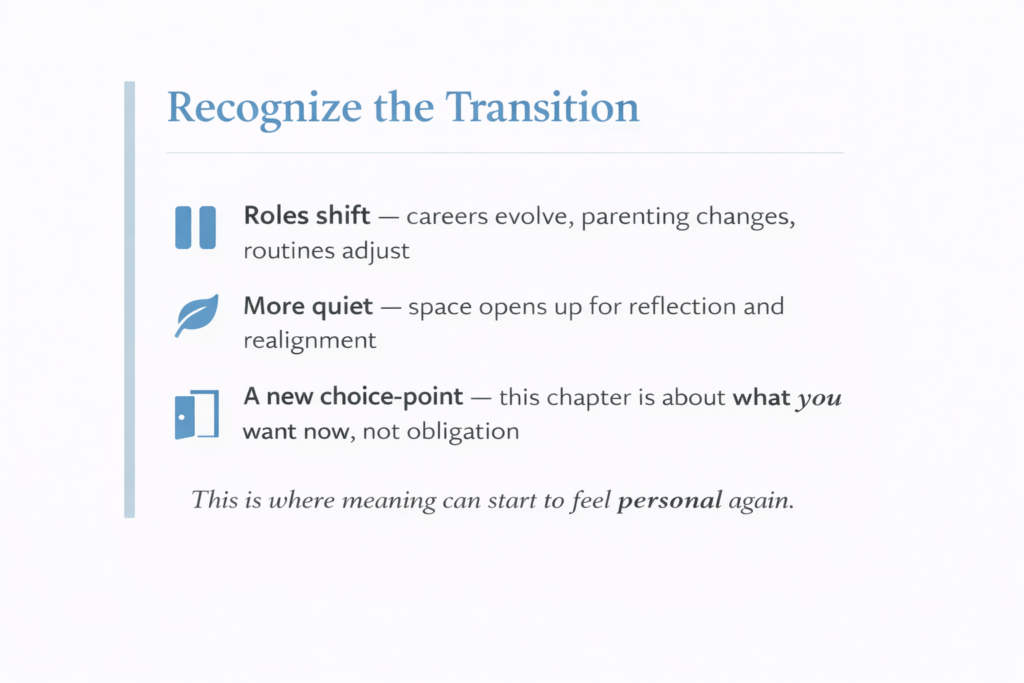
Recognize The Transition And Commit To Self‑Reflection
The second half of life really calls for a different kind of attention. It’s time to pause and ask yourself what’s actually valuable now that earlier responsibilities have shifted, or maybe even wrapped up.
Midlife As A Turning Point
Life after 50 isn’t just about getting older. It’s a natural shift where the roles that used to define you start to change shape.
Kids grow up and need you less. Careers peak or ease off. The daily demands that kept you busy for years just aren’t as pressing.
This transition can feel pretty weird, honestly. You might feel a bit unsteady, or wonder who you are without those old anchors. But there’s something freeing about it, too. You finally get to think about what you want. It’s not just what everyone else needs from you. The quiet after all that busyness? That’s where you might start to figure out what finding purpose in midlife really means for you.
Move Beyond Task Lists To Find Meaning
Staying busy with the same routines that got you here won’t help you find purpose. Purpose lives deeper than just checking things off.
For years, maybe you measured your days by what you got done. You took care of people, hit deadlines, kept everything running. That made sense when life demanded it.
But now, maybe it’s time for new questions. Instead of “What did I do today?” try “What actually brought me satisfaction?” Forget counting tasks. Instead, notice which activities make you feel alive, or connected to something bigger.
This takes practice. You might feel a little guilty for slowing down, or for doing things that don’t seem “useful.” But meaning tends to show up when you let yourself follow what resonates with your own values, not just what’s expected.
Question What Matters
Self-reflection starts with real questions about where you are now and what you want. What do you actually care about these days?
What makes you lose track of time? Which conversations leave you energized, not drained? When do you feel most like yourself—no performing, no pretending?
Write down whatever comes to mind, no filter. Your purpose might not look anything like you pictured. Maybe it’s simpler than you expected, or maybe it’s way bolder. Pay attention to what you’re drawn to, even if it feels odd or impractical. Curiosity is a pretty good compass at this stage.
Reflect With Gratitude
Looking back with some gratitude helps you see what’s worth carrying forward and what you can finally let go of. Appreciating your past opens up space for new things.
Take a moment to acknowledge what your earlier years taught you. The tough stuff built strengths you can use in new ways now. The relationships you built? They probably revealed what connection means to you.
Notice which memories still make you smile. Those moments usually reveal your core values and what really fulfills you.
Gratitude also reminds you that your life already has meaning—just because you’ve lived it fully up to now. You don’t have to keep proving your worth through constant achievement. That realization can free you up to chase purpose from a place of wholeness, not lack.
Identify Strengths, Passions And Authenticity
Figuring out what actually drives you means looking inward at the talents you’ve built, the stuff that brings you joy, and the person you are when you’re not trying to impress anyone. That’s the real foundation for finding purpose in midlife.
Rediscover Passions And Strengths
Your passions are those things that make time disappear and make you feel alive. Maybe they’re things you loved as a kid but set aside, or interests you never got around to.
Notice what grabs your attention without effort. Creative projects? Helping others? Organizing chaos? Those are clues to your natural strengths.
Jot down moments in your life when you felt most energized. Look for patterns. Maybe you’ve always had a knack for bringing people together or explaining tricky stuff in simple ways.
At this stage, your strengths probably include wisdom, patience, and a kind of perspective you just can’t fake. You know how to handle tough conversations and see what matters. Those are huge assets for finding purpose in life after 50.
Embrace Authenticity
Authenticity is about showing up as yourself. By midlife, you probably care a lot less about what others think.
This freedom means you can chase what matters to you, not just what looks good. You get to make choices based on your own values, not outside pressure.
It’s also about being real about your limits. You don’t have to be perfect or good at everything. Focus on what you truly care about and where you shine.
When you come from this place of authenticity, the right people and opportunities seem to find you. That’s way more satisfying than squeezing yourself into roles that never really fit.
Revisit Old Dreams
Think back to old dreams you shelved. Maybe you wanted to write, travel, start a business, or learn an instrument, but life got in the way.
Now, you’ve got a chance to look at those dreams with fresh eyes. Some might not appeal anymore, and that’s okay. Others might still light a spark.
What stopped you before? Money, time, fear? Maybe those barriers are gone or at least smaller now. You might have more freedom and resources than you did back then.
You don’t have to chase old dreams exactly as you imagined. Adapt them to your life now. If you wanted to be a professional musician, maybe you teach music or play in a local band instead.
Cultivate A Positive Mindset And Attitude
Your mindset shapes how you experience this part of life. Shifting how you think about aging can open up deeper fulfillment and help you find purpose after 50 that actually fits who you’re becoming.
Adopt A New Mental Approach
Transforming your mindset after fifty really helps with all the changes in health, relationships, and circumstances. You can decide to see this time as a chance, not just a decline. When you swap out limiting beliefs for more empowering ones, you make room for growth.
Start noticing the stories you tell yourself about aging. If you catch yourself thinking, “I’m too old for that,” pause and challenge it. Lots of people find their best work and relationships after 50 because they finally know themselves well enough to make real choices.
Your internal dialogue matters. Instead of focusing on what’s gone, look at what you’re gaining: wisdom, clarity, freedom from other people’s expectations. It’s not about pretending challenges don’t exist. It’s about realizing you have more say in your response than you might think.
Embrace Life With Attitude
Your attitude about aging really shapes how you experience it. Research shows that positive attitudes lead to better health and life satisfaction as you get older. If you stay open, you’re way more likely to notice new possibilities.
No need to fake positivity or ignore real struggles. Real optimism means seeing the hard stuff, but still believing you can handle it. That keeps you engaged with life, not retreating from it.
What brings you joy now? Not what made you happy decades ago. Your interests change, and that’s normal. Give yourself a break and try new things without judging yourself. The person you are today deserves the same encouragement you’d give a friend.
Mindfulness And Gratitude
A daily gratitude habit can help you find joy and purpose after 50 by highlighting what’s actually working in your life. Even noting three things you appreciate each morning can shift your focus from what’s missing to what’s abundant.
Mindfulness keeps you in the present, not stuck in regrets or worries. When you pay attention to right now, you notice the little things: sunlight, a good laugh, the satisfaction of finishing something. These moments add up to a life that feels richer.
Try sitting quietly for five minutes a day, just noticing your breath. Don’t stress about perfect calm. It’s more about tuning in to your own thoughts and feelings. As you get to know your inner world, you’ll get clearer on what matters most to you.
Nurture Physical Health And Wellbeing
Taking care of your body lays the groundwork for figuring out what matters most. When you feel strong and rested, you naturally have more energy to try new things and connect with what brings meaning to your days.
Be Active
Moving your body regularly really does wonders for your mind and mood, especially as you move through this stage of life. You don’t need to dive into hardcore workouts or memorize complicated routines.; just staying active is enough.
Walking for half an hour most days helps keep you strong and limber. Swimming’s great too; it’s easy on your joints but still builds endurance. And if you haven’t tried yoga, it’s a nice blend of gentle movement and calming breathwork that can help settle your nerves.
Pick activities you actually like. If you hate running, skip it! Gardening totally counts as movement. Dancing in your kitchen? That’s exercise too. It’s about showing up for yourself, not being perfect.
Prioritizing self-care and well-being helps you keep up the energy for whatever brings you joy. Your body’s going to change as you get older, so try to listen to what it needs each day. Some days you’ll have more to give, others less, and that’s normal.
Doing some strength training a couple times a week helps keep your muscles and bones in good shape. You can use light weights, resistance bands, or just your own body weight. Start small, see how you feel, and build from there.
Take Time For Rest And Reflection
Rest isn’t just nice; it’s necessary. Your body and mind need downtime to recharge, especially when you’re figuring out what’s next. Sleep helps you process everything you’re learning and feeling as you explore new directions.
Shoot for seven to eight hours of sleep each night if you can. A calming evening routine—maybe reading or listening to music—can help signal to your body that it’s time to wind down. Cool, dark bedrooms make a difference too.
But rest isn’t only about sleep. Take a few minutes during the day to just sit quietly. No phone, no distractions. Just notice your breath and how your body feels.
These little pauses can help you get clear on what actually matters to you, instead of just reacting to whatever’s coming at you. When you give yourself space to reflect, it’s easier to figure out your own values and what you want.
Don’t be afraid to take breaks between tasks. Rushing nonstop leads to burnout. Short rests throughout the day keep you present and prevent you from running on empty.
Build Meaningful Relationships And Community
Strong connections really do make life richer and less lonely. When you lean into authentic friendships and find ways to contribute, you build a support system that makes this chapter more rewarding.
Connect Authentically
Real friendships need honesty and a bit of vulnerability. You have to show up as yourself—imperfections and all—instead of trying to look perfect or impress people.
Lots of women over 50 notice their social circles change as life shifts, but honestly, that just opens the door for deeper, more genuine connections. Reach out to folks who share your interests or values. Book clubs, classes, and local events are all good places to meet people without forcing it.
When you’re with someone, put your phone away and really listen. Ask about what’s important to them. And don’t be afraid to share your own stories even the messy parts.
It’s not about having tons of friends. A handful of close connections where you can be yourself is way more satisfying than a crowd of acquaintances. Make time for coffee, walks, or phone calls with people who get you.
Volunteer And Give Back
Helping others gives you a sense of direction and connects you with your community. When you use your time and skills to make a difference, you remember your value and sometimes, you get as much as you give.
Look for volunteer gigs that fit your passions. Love animals? Try a shelter. Like teaching? Tutor kids or adults. Care about the planet? Join a local conservation group.
Regular volunteering gives your week some structure and introduces you to people who care about the same things. Sometimes, those folks become friends. And when someone thanks you, it’s a reminder you matter.
It doesn’t have to be a big thing. Bring a meal to a neighbor, mentor someone new to your old career, or offer your skills to a nonprofit. Small acts count.
Maintain An Active Social Life
Staying socially active keeps your mind sharp and your spirits up. Regular interaction helps you feel connected and energized—even if you’re more introverted.
Don’t wait for invites. Put some activities on your calendar each week. Community events, worship services, group fitness classes—they all count. Join a group tied to your hobbies, like a gardening club, art class, or hiking meetup.
Tech can help too. Video calls let you see loved ones’ faces, even if you’re far apart. Online communities around your interests can give you a daily sense of connection.
Try hosting a monthly dinner, organizing a game night, or starting a walking group. When you take the lead, you create the social life you want instead of waiting for it to happen.
How a Client Used Spiritual Hypnosis to Find Life Purpose After 50
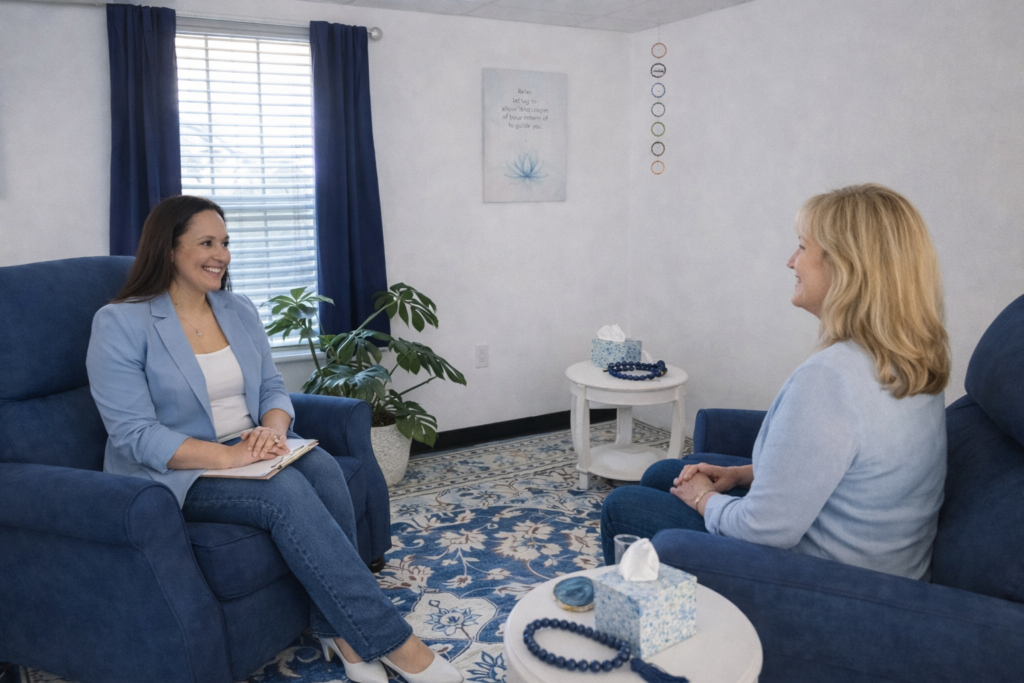
Sarah showed up at 52, feeling restless and kind of lost. For years, she’d been raising kids and supporting her husband’s career. Now the kids were grown, and she wasn’t sure what to do with herself.
During our first hypnosis session, I helped Sarah relax so her busy mind could quiet down. That way, she could tap into a deeper wisdom that had been buried under years of putting everyone else first.
In that calm space, she started remembering her childhood love for gardening and helping things grow. She realized how alive she’d felt with her hands in the soil. Through hypnosis for finding your life’s purpose, her inner mind brought up something important.
She saw herself teaching others about sustainable growing, and it just felt right, like, genuinely exciting.
Over a few more sessions, we worked on letting go of the idea that 52 was “too late” to start something new. She’d picked up a lot of beliefs about what women her age “should” be doing, and we gently shifted those.
Six months later, Sarah had started a small community garden program. She was teaching neighborhood kids and adults how to grow their own food. Her transformation wasn’t about becoming someone else.
It was about reconnecting with who she’d always been. Spiritual hypnosis just helped her clear the mental clutter so she could actually see her path. She found purpose in life after 50 by tuning in to her real self.
Set Purposeful Goals And Plan The Next Chapter
When you’re figuring out your purpose after 50, having some clear goals gives you direction and motivation. A thoughtful plan helps turn those “what ifs” into real steps—while keeping you aligned with what actually matters.
Goal Setting
First, figure out what’s lighting you up right now. Life after 50 comes with new priorities, so your goals should reflect that shift.
Jot down three to five areas you’d like to grow in or contribute to. Maybe it’s relationships, creative projects, volunteering, or learning something new. Make your goals specific enough to track, but loose enough to change as you learn more about yourself.
Break big dreams into smaller steps. Want to start a passion project? Maybe your first move is researching similar things or reaching out to someone who’s already doing it. Small wins build confidence and keep you moving.
Some questions to get you thinking:
- What makes you lose track of time?
- Who do you want to spend more time with?
- What have you always wanted to try?
- How do you want to help others?
Create A Purpose‑Driven Plan
Take your goals and turn them into a doable plan with specific actions and timelines. Setting purposeful goals after 50 means making sure your actions match your values.
Pick one goal to start with. Map out the steps and set deadlines that feel realistic. If you’re exploring how to find purpose in life after 50, maybe your plan includes weekly activities to test out your interests.
Check in with yourself regularly—monthly reviews help you see what’s working and what needs tweaking. Your plan should guide you, not box you in.
Find ways to stay accountable. Share your goals with a friend, join a group that’s on a similar path, or keep a journal to track your progress.
Visualize Your Ideal Life
Picture what your days would look like if you were living with real purpose. Visualization isn’t just wishful thinking—it helps clarify what you really want.
Imagine a typical day five years from now. Where are you? Who’s around? What are you doing? What actually feels satisfying?
Write it out in detail. The more specific, the better. Notice which parts make you feel excited and which feel like chores.
Use this vision to help you decide what to say yes or no to. When something comes up, ask if it brings you closer to that picture. Your vision will change as you do and that’s totally fine. Revisit and update it as you go and as your sense of purpose after 50 evolves.
Explore And Experiment Beyond The Comfort Zone
Trying new things—especially the unfamiliar ones—can open doors to what really lights you up inside. When you let yourself experiment, you give meaning a chance to show up in unexpected ways.
Try New Activities
Starting something new after 50 might feel weird or uncomfortable, but honestly, that’s a sign you’re growing. You don’t have to be great at everything. The point is just to engage with life and surprise yourself.
Think about things you’ve always been curious about but never tried. Hobbies like gardening, painting, cooking, or learning an instrument are great ways to express yourself. In addition to them being hobbies, they help you reconnect with parts of yourself you might’ve put aside when life was busier.
Physical activities matter, too. Dancing, hiking, or joining a walking group gets you moving and might introduce you to new friends. You might even be surprised at what your body can still do when you give it a shot.
Pick things you’re genuinely interested in, not what you think you “should” do. Notice what makes you lose track of time or gives you energy instead of draining it.
Stay Curious
Curiosity keeps your mind sharp and your spirit alive. When you approach life with real interest, you naturally find things worth caring about.
Ask questions about stuff you come across. Wonder why things work the way they do. Be genuinely interested in people’s stories, especially if their perspective is different from yours.
When you shift from needing to know all the answers to just wondering, you open up space for purpose to show itself. You stop forcing it and start noticing what actually calls to you. Through spiritual hypnosis practices, a lot of people tap into deeper curiosity about their inner world and what matters most.
Visit new places, even if it’s just a different neighborhood. Talk to people outside your usual circle. Pick up a book on something you know nothing about because sometimes that’s all it takes to spark something new.
Keep Learning
Your brain can keep growing your whole life. Picking up new skills or diving deeper into something you already know keeps you engaged with the world and with yourself.
Classes, whether online or in person, connect you with others and expand your mind. Maybe you’ll try a new language, learn about history, or get into photography or writing.
You don’t have to go back to school. You can teach yourself through books, videos, or just experimenting. The process of learning builds confidence and might reveal interests you didn’t expect.
When you commit to learning, you remind yourself that life’s still full of possibilities—no matter your age.
Utilize Tools For Self-Monitoring And Personal Growth
Tracking your inner shifts and naming what matters most can bring some much-needed clarity when you feel caught between who you were and who you’re becoming. These simple practices help you stay grounded in yourself as you move through changes.
Journaling
Writing down your thoughts each day lets you notice patterns that might otherwise slip by. You don’t need a fancy notebook or perfect grammar. Just jot down what’s on your mind, what surprised you, or what felt meaningful.
Try setting aside ten minutes in the morning before the day gets busy. Ask yourself things like, “What gave me energy yesterday?” or “When did I feel most like myself?” Your honest answers point to what’s calling you right now not what the world says should matter at your age.
If writing isn’t your thing, record your voice or keep a bullet list of moments that stand out. The format isn’t the point—it’s about checking in with yourself regularly.
Looking back at old entries, you’ll probably spot a few themes. Maybe you light up when helping neighbors or feel most alive when you’re making something. These little clues often point toward a purpose-driven life that actually fits you.
Create A “Meaning List”
A meaning list is just a collection of moments when life felt worthwhile. Forget achievements and to-do lists—this is about times you felt connected, useful, or just really yourself.
Try to remember ten moments when you felt that spark. Include the small stuff, like making someone laugh or finally understanding something tricky. Add some context: who was there, what you were doing, and why it mattered.
What do those moments have in common? Were you teaching, solving problems, connecting people, building something? Your patterns show you what brings you alive.
Whenever something new resonates, add it to the list. Over time, your meaning list becomes a map, which will be helpful when you’re weighing a new opportunity or just feeling stuck.
Foster Gratitude And Combat Limiting Beliefs
Changing your self-talk and noticing what you already have can make room for new purpose to show up. When you question old stories about age and start appreciating your current life, you open up new pathways to deeper meaning.
Release Limiting Beliefs About Age
Maybe you’ve caught yourself thinking, “I’m too old to start something new,” or “My best years are behind me.” Thoughts like these can quietly hold you back from exploring what really matters now.
Honestly, age is just a number. It doesn’t decide your ability to grow or contribute. Plenty of people find their deepest sense of purpose in their fifties, sixties, and beyond. Challenging limiting beliefs about aging starts with noticing them in the first place.
Write down the things you assume you can or can’t do at your age. Ask yourself: is this actually true, or just a story you’ve picked up? When you spot a “too old” thought, pause and remind yourself what’s real about your strengths and experience.
Your life experience gives you wisdom your younger self never had. You can lean on that wisdom to guide you in ways that feel more grounded and real.
Practice Gratitude Daily
Practicing gratitude helps you find purpose after 50 because it shifts your focus to what’s meaningful right now. When you notice what you value, it gets easier to see what matters most.
Start your morning by naming three things you’re grateful for. Keep it simple—a chat with a friend, a walk outside, or just a good cup of coffee. Details matter more than big sweeping statements.
Carry a little notebook and jot down moments of appreciation as they happen. Notice the people, experiences, and tiny joys that make you feel connected to something bigger. Patterns will show up over time, pointing to what actually fulfills you.
Gratitude lays a foundation of contentment. When you appreciate what you have, it’s easier to figure out what you want to create or give back in the future.
Spiritual Hypnosis for Life Purpose After 50
Spiritual hypnosis gives you a gentle way to reconnect with what matters most at this stage. It quiets the busy mind so you can tap into the deeper wisdom you already have inside.
By your 50s, years of expectations and responsibilities can pile up and hide your real desires. Spiritual hypnosis helps peel back those layers, letting you rediscover what truly calls to you.
In a session, you relax deeply while your conscious mind takes a back seat. This makes it easier to connect with your inner knowing, without judgment or fear getting in the way. A lot of people say it feels like they’re finally hearing themselves clearly for the first time in ages.
Spiritual hypnosis can help you uncover soul stories that have been quietly shaping your life. These insights often show you what brings you joy and where your energy naturally wants to go.
This isn’t about someone telling you what your purpose “should” be. It’s about making space to recognize what you already sense but maybe haven’t fully admitted. Sometimes your purpose connects to childhood passions; other times, it’s something totally new.
If you work with a hypnotist who specializes in spiritual work, you’ll keep the focus on your own growth and self-discovery. The idea is to help you access your own inner guidance, not hand you someone else’s answers.
Honestly, you’re the expert on your own life.
Frequently Asked Questions
People have a lot of questions about practical steps and common roadblocks when searching for meaning after 50. Others wonder how things like volunteering or hobbies fit into this new chapter.
What strategies can help someone find their purpose after turning 50?
Start by thinking about what actually brings you satisfaction and energy. Look back at times when you felt most alive and engaged.
Try exploring new learning opportunities. Taking classes, reading something different, or picking up a new skill can open doors you didn’t know were there.
Movement helps clear your head. Walking, swimming, or dancing—even just a little—can ground you and make it easier to notice what you want out of life.
Journaling gives you a space for honest self-reflection. Use prompts about your values, dreams, and what matters most right now.
Find others who are figuring this stuff out, too. Conversations with people who get it can give you fresh perspective and support.
How can a person reinvent their life and find fulfillment in the later stages?
Let go of the idea that age limits what you can do. All those years have given you wisdom and skills younger folks are still working on.
Decide what you want your days to look like—not what others expect. This stage is a chance to make choices based on what you actually want, not outside pressure.
Picture your future to help clarify your direction. Imagine how you want to spend your time and what kind of impact you’d like to make.
Set goals that move you closer to that vision. Break big dreams into small steps you can take this week or this month.
Stay open to surprises. Sometimes the right path pops up through random meetings or new interests that grab your attention out of nowhere.
What are common challenges people face when searching for meaning after 50, and how can they overcome them?
Fear often shows up as the belief that your best years are over. That kind of thinking keeps you stuck in the past.
Push back by noticing your current strengths and what you’ve learned. You’ve built up resilience and insight that only come with time.
Some folks get caught up blaming circumstances or other people for where they are. That just blocks you from making changes.
Take ownership of your choices starting now. This shift can open up new possibilities you might not have seen before.
Money worries can make new directions feel risky. Look for ways to try out interests that don’t cost much.
If you’re feeling shaky about your confidence, start with small actions. They build momentum and remind you that growth is always possible.
How does finding purpose after 50 differ for men and women, and what unique approaches might be needed?
Both men and women benefit from reflecting on their values and priorities at this point. The basic process works for everyone, but the details can be different.
Women might find it easier to connect with others and talk about their journey. Group settings and open conversations can help women figure out what’s next.
Men sometimes prefer action—trying new things or starting projects helps them spot what’s satisfying.
Cultural expectations play a role, too. Women may need to push back against messages about becoming invisible with age, while men might wrestle with moving away from career-focused identity.
Physical changes affect everyone, but in different ways. It’s important to address health and adapt activities to what feels right now.
In the end, what matters most is what feels real to you—not what anyone says you “should” do based on gender. Your personality and preferences count more than old stereotypes.
In what ways can volunteer work or community involvement contribute to a sense of purpose after 50?
Volunteering connects you to something bigger than your own day-to-day worries. Helping others brings a kind of fulfillment you just can’t get any other way.
Getting involved in your community introduces you to people who share your values. These relationships can grow into real friendships and support systems.
Service work lets you put your accumulated skills and knowledge to good use. Sharing what you know proves your experience still matters.
Trying out different volunteer roles can help you discover what kind of contribution feels best. Sometimes you’ll find a new passion in the most unexpected places.
Showing up regularly in your community keeps you active and gives you reasons to stay engaged. Having commitments outside yourself can be a real motivator to take care of your health and energy.
What role do passion and hobbies play in shaping a new direction in life post-50?
Your interests say a lot about what naturally grabs your attention and energy. When you get lost in an activity and hours just disappear, that’s usually a sign you’re tapping into something real.
Hobbies let you poke around what brings you joy, without the pressure of making big, life-altering decisions. You can just try stuff, see what sticks, and not worry about the outcome.
Maybe you had interests you put on the shelf years ago because life got in the way. Now’s a solid time to dust those off—you probably have more freedom to dive back in than you did before.
Picking up new hobbies can throw you into circles of people who get it. Sometimes these connections spark friendships or open up opportunities you never saw coming.
Skills you pick up chasing your passions can surprise you. What starts as something just for fun might turn into a way to help others or even earn a little extra cash.
Notice what leaves you feeling fired up instead of wiped out. Those moments usually point you closer to your real self and might nudge you toward a more meaningful path.
