
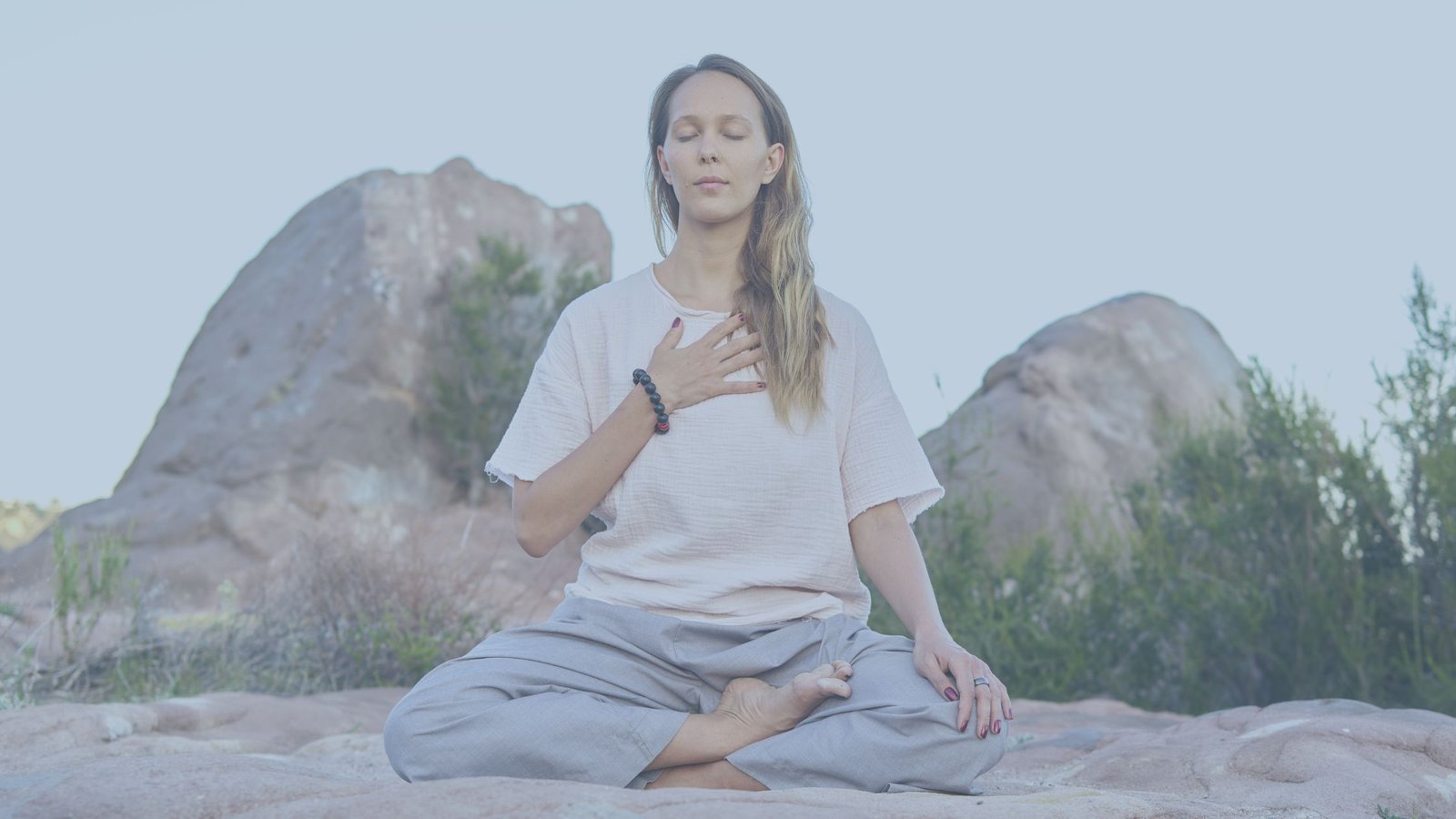
Many people feel drawn to explore their past lives but wonder if they need a professional regressionist to guide them through the process. So, can a person do their own past life regression? The good news is that YES, you can practice past life regression on your own using guided meditations and self hypnosis techniques.
While working with a trained professional offers certain advantages, self guided regression can be an accessible and cost effective way to begin exploring your previous lifetimes from the comfort of your own home.
Self past life regression typically involves using audio recordings or guided meditations that help you enter a relaxed, meditative state where you can access memories from previous incarnations. This approach works well for many people and serves as an excellent way to determine if you respond well to regression techniques before investing in professional sessions. However, doing regression work on your own requires proper preparation and an understanding of safety practices to ensure a positive experience.
When you explore past life regression independently, you take on the role of both the client and the guide, which means understanding how to set clear intentions, create a safe space, and properly integrate any insights you receive. Learning the right techniques can help you unlock valuable information about your soul’s journey while maintaining your emotional and psychological well being throughout the process.
Can You Do Past Life Regression on Your Own?
Yes, you can practice past life regression independently using meditation, visualization, and self-hypnosis techniques. While solo exploration offers privacy and flexibility, it requires patience, trust in your intuitive process, and understanding of potential limitations compared to professional sessions.
Understanding Past Life Regression and Its Purpose
Past life regression is a therapeutic technique that accesses memories from previous lifetimes through deep relaxation and focused awareness. The practice works by quieting your conscious mind and allowing your subconscious to reveal stored memories from past lives.
Your subconscious mind holds vast amounts of information beyond your current lifetime experiences. During regression, you enter an altered state of consciousness similar to deep meditation or light hypnosis.
The primary purpose is healing emotional wounds that may stem from past life experiences. Many people find that unexplained fears, phobias, or relationship patterns become clearer when viewed through past life memories.
Past life regression therapy can help with spiritual exploration and personal growth. You might discover talents, interests, or connections that feel familiar but unexplained in your current life.
Some practitioners believe accessing past life memory can reveal your soul’s journey across multiple incarnations. This understanding may provide insight into your current life purpose and spiritual path.
Self-Guided Techniques: Meditation, Hypnosis, and Visualization
Meditation forms the foundation of self-directed past life regression. Begin with regular meditation practice to strengthen your ability to quiet mental chatter and access deeper states of consciousness.
Guided meditation recordings specifically designed for past life exploration can help structure your sessions. These recordings typically include relaxation techniques followed by visualization exercises to access past life memories.
Progressive relaxation is essential before attempting regression. Start by tensing and releasing each muscle group from your toes to your head. This physical relaxation helps your mind enter the receptive state needed for past life exploration.
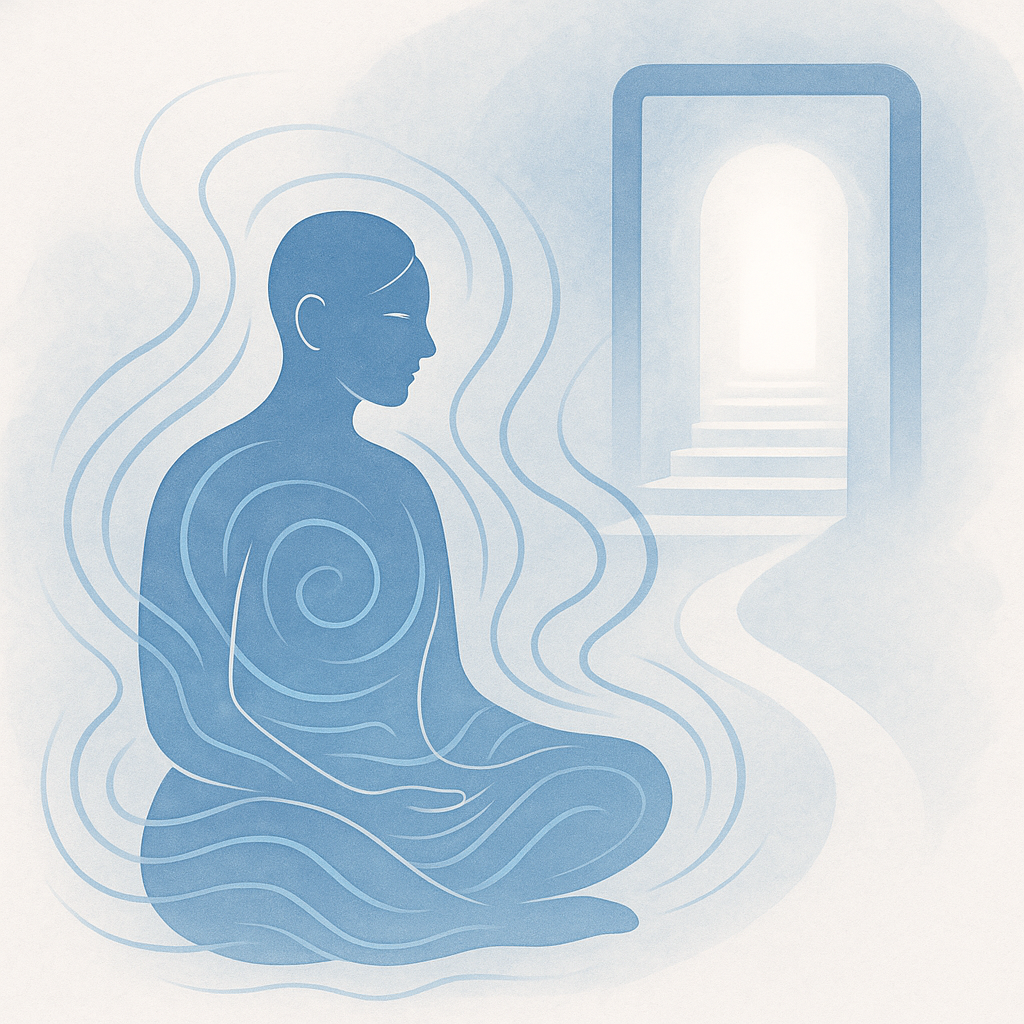
Visualization techniques involve imagining yourself walking down stairs or through doorways while counting backwards. Each step takes you deeper into your subconscious mind where past life memories reside.
Self-hypnosis requires learning to enter a trance-like state through focused breathing and mental imagery. In this state, your higher self can guide you to relevant past life experiences without external direction.
Trust your inner knowing when images, emotions, or sensations arise during practice. Your first impressions are often the most accurate, even if they seem unusual or unexpected.
Key Considerations for Solo Exploration
Create a safe, comfortable environment free from interruptions before beginning any past life regression session. Dim lighting, soft music, and comfortable seating help establish the proper atmosphere for deep exploration.
Set clear intentions before starting your session. Ask specific questions about what you hope to learn or heal through accessing your past lives.
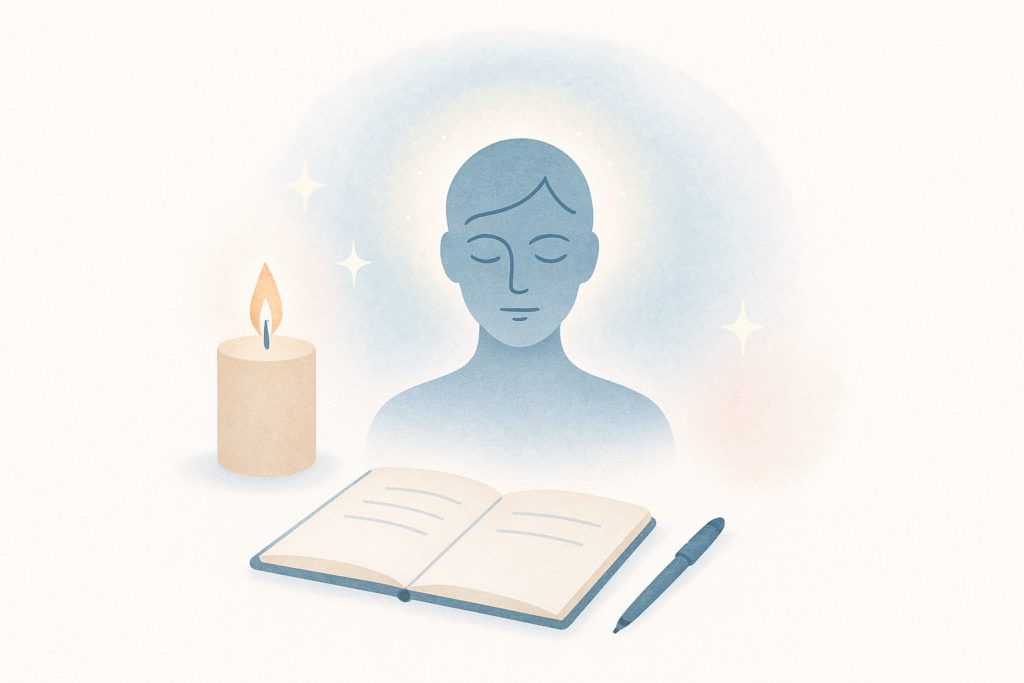
Keep a journal nearby to record your experiences immediately after each session. Past life memories can fade quickly once you return to normal consciousness.
Practice grounding techniques after each session to help you return fully to present awareness. Simple activities like walking outside or eating something can help reconnect you with your current life.
Regular practice strengthens your ability to access past life memories more easily over time. Consistency matters more than the length of individual sessions when developing this skill.
Approach the process with openness and patience. Not everyone accesses vivid past life memories immediately, and your experiences may be subtle rather than dramatic.
Limits and Challenges of Self Past Life Regression
Self-guided regression lacks the professional guidance that trained therapists provide during challenging emotional experiences. If traumatic past life memories surface, you must process them without expert support.
Your conscious mind may interfere with the process by analyzing or doubting the information that emerges. This mental interference can block access to deeper past life memories.
Not everyone responds well to self-regression techniques. Some people need the external guidance and structure that professional past life regression therapy provides to enter the necessary altered state.
Distinguishing between actual past life memories and imagination can be difficult without professional interpretation. Your subconscious mind may blend real memories with symbolic representations or wishful thinking.
Emotional overwhelm is possible when accessing intense past life experiences alone. Professional therapists know how to guide clients safely through difficult memories and provide appropriate aftercare.
Solo practice requires significant time and dedication to develop the skills necessary for effective past life exploration. Many people find initial attempts frustrating or unsuccessful without proper guidance.
How Can a Person Do Their Own Past Life Regression?
Successful self regression requires careful preparation, protective boundaries, and thoughtful integration of experiences. These elements work together to create meaningful spiritual exploration while maintaining emotional safety throughout your soul’s journey.
Setting Intentions and Creating a Safe Environment
Your physical and mental preparation forms the foundation for effective past life work. Choose a quiet space where interruptions won’t occur for at least two hours. Remove distractions like phones or electronics.
Set clear intentions before beginning. Write down specific questions or areas you want to explore. This might include understanding certain relationships, examining recurring dreams, or exploring the origins of unexplained phobias.
Create spiritual protection through your preferred method. Some people call upon spirit guides or their spiritual guide for assistance. Others use visualization techniques like surrounding themselves with white light. Trust your intuition about what feels protective.
Prepare grounding tools nearby. Keep water, a journal, and something tactile like a stone within reach. These items help you return to present consciousness when needed.
Your mindset matters significantly. Approach the session with curiosity rather than forcing specific outcomes. Release expectations about what you might discover. The consciousness often reveals what serves your highest good rather than what you consciously seek.
Techniques for Accessing Past Life Memories Safely
Begin with relaxation techniques to shift your consciousness into a receptive state. Progressive muscle relaxation or deep breathing helps quiet mental chatter. Count backwards from 100 while focusing on your breath.
Use dialogue rather than full immersion. Instead of completely stepping into past life experiences, maintain a conversational relationship with memories or aspects that surface. This approach keeps you grounded while still accessing information.
Trust the first images or feelings that arise. Your intuition often provides accurate initial impressions. Don’t dismiss seemingly mundane details as they frequently contain important information.
Move slowly through experiences. If something feels overwhelming, step back and observe rather than fully experiencing traumatic moments. You can gather healing insights without reliving intense emotional pain.
Stay connected to your present self throughout the process. Regularly check in with your current awareness. Remember that you are exploring from a place of safety in your current life.

Dealing with Emotional Blocks and Challenging Memories
Emotional blocks often indicate areas needing gentle attention rather than forceful breakthrough. When you encounter resistance, pause and communicate with the blocked aspect. Ask what it needs to feel safe sharing its story.
Challenging memories require extra care and spiritual support. If traumatic content emerges, immediately call upon your spirit guides or higher consciousness for protection and guidance. You don’t need to experience every detail to gain healing insights.
Practice the furniture principle. Handle small emotional pieces yourself but seek professional help for overwhelming content. Trust your instincts about when something exceeds your capacity for safe self exploration.
Use reparenting techniques when appropriate. Offer comfort, wisdom, or protection to past life aspects that experienced trauma. This healing approach can transform old wounds without requiring you to fully relive painful experiences.
Create new endings for difficult situations. Visualize positive outcomes or healing presence where none existed before. This technique helps integrate learning while providing resolution to unfinished emotional business.
Integration and Personal Growth After Self-Regression
Write immediately after your session while details remain fresh. Record images, emotions, insights, and any guidance received. This documentation helps process the experience and track patterns across multiple sessions.
The integration process continues for days or weeks following regression work. Pay attention to changes in your relationships, recurring thoughts, or shifts in old behavior patterns. These changes indicate successful healing work.
Look for connections between past life experiences and current life circumstances. Notice how ancient relationship dynamics might be playing out today. Understanding these patterns supports conscious transformation and personal growth.
Allow time for spiritual processing. Your soul’s journey includes multiple lifetimes of learning. Integration happens naturally when you remain open to ongoing insights and gentle shifts in consciousness.
Share experiences thoughtfully. While some people benefit from discussing their sessions, others prefer private processing. Trust your instincts about when and with whom to share your discoveries from this deep spiritual work.
